How Massage Therapy Can Help Relieve TMJ-Related Pain and Improve Mobility
Temporomandibular joint (TMJ) pain can disrupt daily life, causing discomfort when talking, chewing, or even yawning. TMJ-related symptoms are often linked to jaw tension, teeth grinding, stress, and muscle imbalances in the neck and shoulders. While there is no single treatment for TMJ disorders, therapeutic massage can help reduce muscle tension, support improved mobility, and ease discomfort when used as part of a comprehensive care approach.
Understanding the Connection Between TMJ and Stress
Stress is a common trigger for TMJ disorders, as it often causes individuals to unconsciously clench their jaws. This clenching leads to muscle tension around the TMJ, resulting in pain and discomfort. Over time, the buildup of stress and muscle tightness can worsen symptoms, making it difficult to find relief.
Massage therapy can help break the cycle of stress-induced clenching by addressing muscle tension in the neck, shoulders, and surrounding areas that influence jaw function. The relaxation of these muscles can significantly reduce tension and ease the pain associated with TMJ disorders. Regular massage therapy alleviates physical discomfort and helps manage stress for overall well-being.
How Massage Therapy Can Support TMJ-Related Discomfort
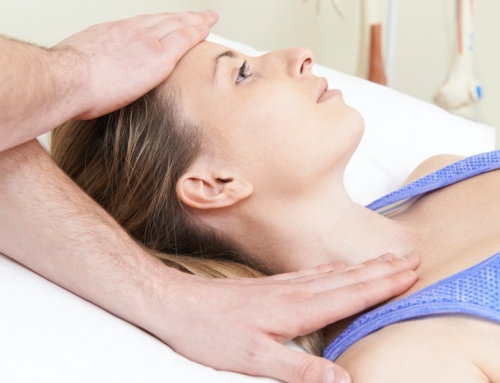
Massage therapy can help address muscle tension that contributes to TMJ-related discomfort. While the massage is not performed directly on the jaw joint itself, it focuses on surrounding muscles in the neck, shoulders, upper back, and facial areas that influence jaw movement and posture.
Licensed massage therapists may use techniques such as myofascial release or trigger point therapy to reduce tightness and improve muscle function. By relieving tension in these supporting muscle groups, massage therapy can help improve comfort, support better jaw mobility, and complement other forms of care for TMJ-related concerns.
How Massage Therapy Can Help with Pain Relief?
Massage therapy can help reduce pain associated with TMJ-related issues by addressing muscle tension that affects jaw function. Tight muscles in the neck, shoulders, and surrounding areas can contribute to discomfort caused by stress, clenching, or bruxism (teeth grinding).
By improving circulation and relaxing overworked muscles, massage therapy may help ease discomfort and promote overall relaxation. When used as part of a broader care plan, massage therapy can support pain reduction and improved comfort for individuals experiencing TMJ-related symptoms.
Improving Jaw Mobility Through Massage Therapy
TMJ-related issues can lead to restricted jaw movement, making it difficult to open or close the mouth comfortably. This limitation can affect everyday activities such as eating or speaking. Massage therapy can help support improved mobility by reducing muscle tension that influences jaw movement.
Massage techniques focus on relaxing tight muscles in the neck, shoulders, and surrounding areas that contribute to jaw stiffness. As muscle tension decreases and circulation improves, many patients notice reduced stiffness and greater ease of movement as part of a comprehensive care approach.
Addressing TMJ-Related Symptoms with Massage Therapy
TMJ-related issues can present with a range of symptoms, including jaw discomfort, headaches, neck pain, and ear-related discomfort. Massage therapy can help address these symptoms by focusing on muscle tension that contributes to pain and restricted movement.
For example, when headaches or neck tension are associated with TMJ concerns, massage therapy may target muscles in the neck, shoulders, upper back, and temples. Techniques such as trigger point therapy apply focused pressure to areas of muscle tightness, helping to relax the muscles and reduce tension that contributes to discomfort.
Relaxing the Jaw and Reducing Teeth Clenching
Teeth clenching is a common behavior among those with TMJ-related issues and often occurs unconsciously during periods of stress. Over time, clenching can increase muscle tension and contribute to ongoing discomfort.
Massage therapy can help reduce overall muscle tension in areas that influence jaw function, supporting relaxation and making it easier to maintain a more relaxed jaw position. With consistent care, massage therapy may help reduce the intensity and frequency of clenching, contributing to long-term relief from TMJ-related discomfort.
The Role of Acupuncture in TMJ Pain Management
In addition to massage therapy, acupuncture is another complementary option that can support relief from TMJ-related discomfort. Acupuncture involves the use of fine needles placed at specific points on the body to help reduce inflammation, relieve muscle tension, and support the body’s natural healing response.
When used together, acupuncture and massage therapy can provide a holistic approach to managing TMJ-related symptoms. This combination addresses both muscular tension and overall balance within the body, helping support improved comfort, relaxation, and function.
How Often Should You Get a TMJ Massage?
The frequency of massage therapy depends on the severity of your symptoms and your individual needs. Some people may benefit from more frequent sessions at first, while others may find relief with bi-weekly or monthly care. A qualified professional can help determine an appropriate schedule as part of a personalized care plan.
Incorporating self-care practices such as stress management, posture awareness, and recommended exercises between sessions can enhance the benefits of massage therapy. Your chiropractor or massage therapist can provide guidance on supportive strategies to help improve comfort and results over time.
The Importance of Professional Massage Therapy for TMJ-Related Concerns
While self-massage techniques may provide temporary relief, professional massage therapy offers a higher level of skill and precision. Licensed massage therapists have a strong understanding of muscular anatomy and can safely address areas of tension that influence jaw comfort and overall function.
Professional massage therapy focuses on identifying tight or overworked muscles in the neck, shoulders, upper back, and surrounding areas. By applying appropriate techniques, therapists can help reduce muscle tension, support improved mobility, and complement other care strategies aimed at managing TMJ-related discomfort.
Effective Long-Term Pain Management with TMJ Massage
Massage therapy can provide meaningful relief for TMJ-related discomfort, but long-term benefits depend on consistency and supportive care. Regular sessions, combined with healthy habits such as stress reduction, posture awareness, and bruxism management, can help improve overall comfort and jaw function.
For many individuals, massage therapy is not a one-time solution but part of an ongoing wellness approach. Over time, consistent care may help reduce flare-ups, decrease muscle tension, and support a better quality of life for those experiencing TMJ-related symptoms.
Schedule a Massage Therapy Appointment Today
At Bodnar Chiropractic Center, we offer professional massage therapy in Alexandria, VA as part of our holistic approach to care. While we do not provide TMJ-specific massage treatments, massage therapy may help reduce muscle tension and support comfort for individuals experiencing TMJ-related discomfort.
If you are dealing with jaw tension, neck stiffness, or related symptoms, our experienced team is here to help guide you toward appropriate care options.
Contact us today to schedule your appointment and take the next step toward improved comfort and overall well-being.