Is Chiropractic Treatment Effective For Bulging Discs?
Chiropractic for a bulging disc is often explored by individuals experiencing spinal discomfort that limits movement and daily comfort. Bulging discs can cause stiffness, pain, and nerve irritation that limit movement and reduce quality of life.
Patients often look for non-invasive solutions that help relieve pressure, improve spinal positioning, and restore better overall function.
Chiropractic care focuses on joint mobility, muscle support, and nervous system coordination to help manage discomfort safely and effectively. Those dealing with chronic pain or recovering from whiplash often explore this type of treatment as a holistic approach to spinal health.
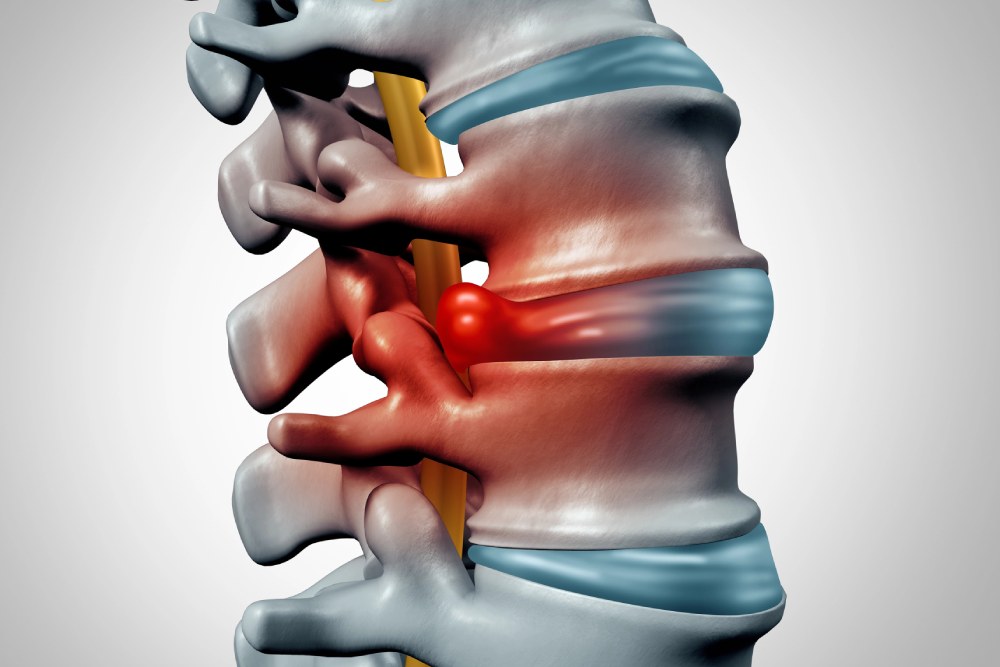
Discs serve as cushions between the vertebrae, absorbing stress and allowing flexibility. A bulging disc occurs when the disc’s outer layer weakens and protrudes outward, sometimes pressing on nearby nerves.
This pressure can produce radiating pain, tingling, or numbness in the limbs. Causes differ, from poor posture and repetitive lifting to age-related degeneration or injury. Early intervention by a qualified chiropractor can reduce symptoms and improve long-term spinal health.
What Are Bulging Discs?
Not all bulging discs cause immediate pain, but they can contribute to spinal tension over time. Common symptoms include lower back discomfort, stiffness, and limited mobility. Pain may intensify after prolonged sitting, bending, or lifting.
Nerve involvement can create tingling, weakness, or numbness in the arms or legs depending on the affected area.
This treatment approach focuses on bulging discs by targeting misalignment and abnormal movement patterns.
By restoring proper spinal mechanics and promoting balanced muscular support, the spine can better handle everyday loads, which reduces nerve irritation and muscular strain. Patients often experience improved comfort and function as a result.
Causes and Risk Factors
Bulging discs can develop gradually or follow a sudden injury. Common contributors include repetitive stress, age-related degeneration, trauma, and whiplash.
Sedentary lifestyles and prolonged poor posture can also increase pressure on spinal structures, making disc issues more likely.
Identifying the underlying factors allows a chiropractor to personalize treatment to each patient. Muscle tension, spinal positioning, and movement habits all affect how a disc responds to care.
Attending to these elements can prevent minor bulges from progressing into herniations or persistent chronic pain.
How Chiropractic Adjustments Help
Gentle, precise chiropractic adjustments can restore spinal balance and improve mobility. For bulging discs, these movements reduce abnormal stress on vertebrae and surrounding tissues, which alleviates pressure on nearby nerves.
Restoring proper motion allows muscles to function more efficiently, reducing compensatory strain and discomfort.
Patients often report immediate relief from stiffness, followed by gradual improvement in overall movement comfort. Regular adjustments can maintain these benefits and support long-term spinal stability.
Muscles and Soft Tissue Care
Muscles surrounding the spine frequently tighten in response to disc irritation, increasing tension and discomfort. Soft tissue techniques are often incorporated to relax tight muscles and restore balance.
Targeted work on the paraspinal muscles, glutes, and core helps reduce load on the affected disc and promotes proper spinal positioning. As muscles coordinate more effectively, movement patterns improve and the risk of recurring flare-ups decreases.
Many patients notice improved flexibility and comfort as muscles respond to care.
Managing Chronic Pain
Persistent chronic pain from a bulging disc can disrupt sleep, daily activity, and emotional well-being. Guarded movements may further strain the spine. A chiropractic approach deals with both mechanical and neurological contributors to discomfort.
Adjustments combined with soft tissue therapy reduce nerve irritation and improve proper muscular function. Over time, the nervous system becomes less sensitive to abnormal signals, helping patients regain confidence in daily movement.
Incorporating gentle home exercises reinforces these benefits and promotes long-term comfort.
Chiropractic for Injury Recovery
Bulging discs may result from trauma such as whiplash or sports-related injuries. Early chiropractic intervention can reduce inflammation, restore spinal balance, and minimize compensatory tension that prolongs discomfort.
Treatment often includes targeted adjustments, soft tissue release, and guidance on safe movement. This integrated approach encourages healing while allowing patients to remain active and maintain mobility without aggravating the injury.
What to Anticipate During Your Visits
Knowing what to anticipate during your visits can help patients feel at ease. Each session begins with a review of symptoms, health history, and daily activity patterns. Examinations may include posture evaluation, spinal range of motion testing, and assessment of muscle function.
Adjustments are precise and tailored to the individual. Patients may feel minimal pressure or a gentle stretching sensation. Sessions may also include soft tissue work, posture guidance, and recommendations for home exercises.
Most patients report feeling relaxed and notice improved mobility after care, with ongoing adjustments as the body responds.
Dealing With Nerve Involvement
Bulging discs sometimes compress spinal nerves, producing radiating pain, tingling, or weakness. Chiropractic care addresses both spinal positioning and surrounding tissues to reduce nerve pressure.
Restoring proper vertebral motion alleviates compression on nerve roots. Muscle relaxation techniques further stabilize the spine and minimize tension that could aggravate nerves. Over time, patients often notice reduced numbness and improved function as treatment progresses.
Supporting Daily Function
Chiropractic treatment helps patients stay active despite disc-related discomfort. Adjustments and soft tissue techniques restore movement and reduce pain, encouraging better posture, walking, and sitting.
Home exercises frequently focus on core strengthening, spine stabilization, and stretching tight muscles.
These interventions reinforce spinal mechanics during daily activities and reduce the likelihood of flare-ups. Patients often regain confidence in performing work, recreational, and household tasks as mobility improves.
The Need for Ongoing Chiropractic Care
Long-term care may be recommended to maintain spinal balance and prevent recurring discomfort. Regular visits allow the chiropractor to monitor the disc, correct muscular imbalances, and adapt treatment as the body responds.
Combined with posture education, activity modifications, and core strengthening, chiropractic care helps patients manage risk factors for future disc issues. Consistent care often results in fewer episodes of pain and improved overall function.
Restoring Spinal Health with Chiropractic for Bulging Discs
At Bodnar Chiropractic Center, we recognize the challenges a bulging disc can create in daily life. Our method uses chiropractic for a bulging disc to restore spinal positioning, reduce nerve pressure, and improve comfort.
Patients benefit from targeted adjustments, soft tissue therapy, and guided exercises designed for individual needs. Since 1997, our Alexandria team has provided professional, compassionate care to help patients manage chronic pain, improve mobility, and maintain long-term spinal health.
In addition to adjustments, complementary services such as massage therapy help relax tight muscles and improve circulation around affected areas. By combining therapies, we target both structural and muscular components of spinal health, promoting consistent relief and improved function.
If you have questions about Bodnar Chiropractic Center or want to check out chiropractic for a bulging disc, feel free to contact us by phone, submit a contact form, or request an appointment today.