Why You Should Consider Acupuncture For Knee Pain
Acupuncture for knee pain is an increasingly popular option for people in search of relief from discomfort without relying solely on medication or surgery.
Many residents turn to acupuncture in Alexandria, VA for knee pain to deal with inflammation, nerve sensitivity, and muscle tension simultaneously while improving overall mobility. Knee discomfort can affect walking, exercise, and day-to-day activities.
Acupuncture works by stimulating specific points that influence circulation, nervous system activity, and joint function, offering a natural approach to maintaining knee health.
Knee pain often arises from multiple factors. Age-related wear, overuse injuries, sudden trauma, and long-term chronic pain conditions can all contribute.
As muscle tension builds and joint mobility declines, discomfort often intensifies. Acupuncture treats these contributing factors by encouraging the body to respond to tension and pain in ways that restore balance and comfort.
Understanding Knee Pain And Joint Stress
The knee is a complex joint with ligaments, tendons, cartilage, and surrounding muscles. Injury to any part can create pain and limit movement. Chronic stress or repetitive motion further increases susceptibility.
Many individuals experience stiffness and swelling that make daily activities more difficult. Acupuncture treats the body as a whole system rather than focusing just on the joint itself.
Circulation and nerve signaling both play a part in pain perception. Restricted blood flow to tissues slows recovery and prolongs discomfort. Overactive nerves may amplify minor irritation into noticeable pain.
Acupuncture influences both circulation and nervous system pathways to reduce discomfort and improve tissue responsiveness.
How Acupuncture Eases Pain Signals
Pain is a neurological experience, not just a physical sensation. Signals travel from tissues to the spinal cord and then the brain. Acupuncture needles stimulate sensory receptors that send alternative signals along these pathways.
This stimulation can lessen how strongly pain is perceived.
The body also releases natural pain regulating chemicals during sessions. Endorphins and other compounds reduce sensitivity and promote relaxation. Muscle tension often decreases, allowing joints to move more freely.
This combination of effects encourages gradual relief for knee discomfort, whether from acute injury or chronic pain.
Improving Joint Mobility and Muscle Health
Tight muscles around the knee contribute to strain on ligaments and cartilage. Imbalance between quadriceps, hamstrings, and surrounding muscles can create abnormal movement patterns. Acupuncture helps relax overactive muscles and stimulate underactive areas.
Treatment points near the knee and along related meridians influence surrounding muscles and connective tissues.
Improved muscle coordination promotes better alignment and reduces undue stress on the joint. Many individuals experience greater stability and ease of movement following consistent care.
Circulation and Healing
Restricted blood flow to the knee reduces oxygen and nutrient delivery. As circulation remains restricted, recovery from injuries or chronic conditions often slows. Acupuncture encourages localized circulation changes that aid tissue repair.
As circulation improves, inflammation often decreases naturally. Muscles and connective tissues regain flexibility. Patients may notice less stiffness and swelling after sessions, making walking, climbing stairs, and exercising more comfortable.
Acupuncture and Chronic Pain
Chronic pain in the knee can result from long term wear, prior injuries, or underlying conditions such as arthritis.
As pain persists, nerve signaling can become amplified and joint movement increasingly restricted. Acupuncture works to calm overactive nervous system pathways while promoting relaxation in surrounding tissues.
Reduced nerve sensitivity allows for improved joint motion. Patients often experience greater confidence in daily activities as recurring pain becomes less pronounced. Combining acupuncture with complementary care can create long term improvements that extend beyond individual sessions.
Promoting Recovery from Injury
Acupuncture can be particularly helpful after knee injuries. Sprains, strains, and ligament injuries often lead to ongoing discomfort. Early intervention with acupuncture may reduce inflammation and promote circulation to speed recovery.
Treatment complements physical rehabilitation, helping muscles and connective tissue regain strength and flexibility.
Many patients find that the combination of acupuncture with chiropractic care and massage therapy leads to more complete recovery by addressing both structural alignment and soft tissue tension.
What to Anticipate During Your Visits
When considering acupuncture, it is helpful to know what to anticipate during your visits. A typical session begins with a discussion about your symptoms, lifestyle, and medical history. Points are selected based on individual needs, not simply the location of knee pain.
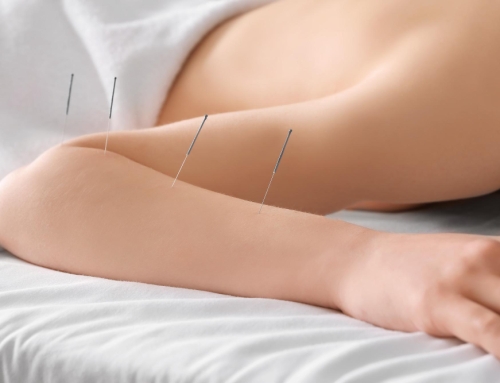
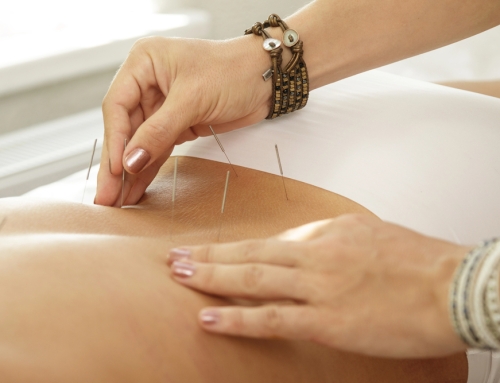
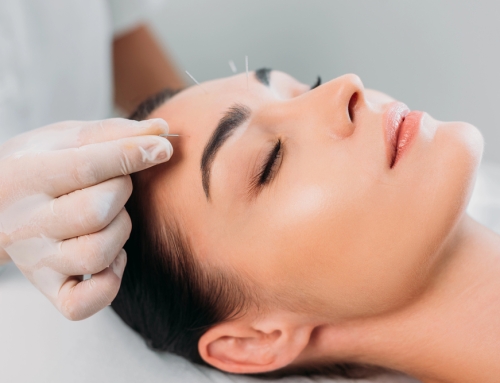
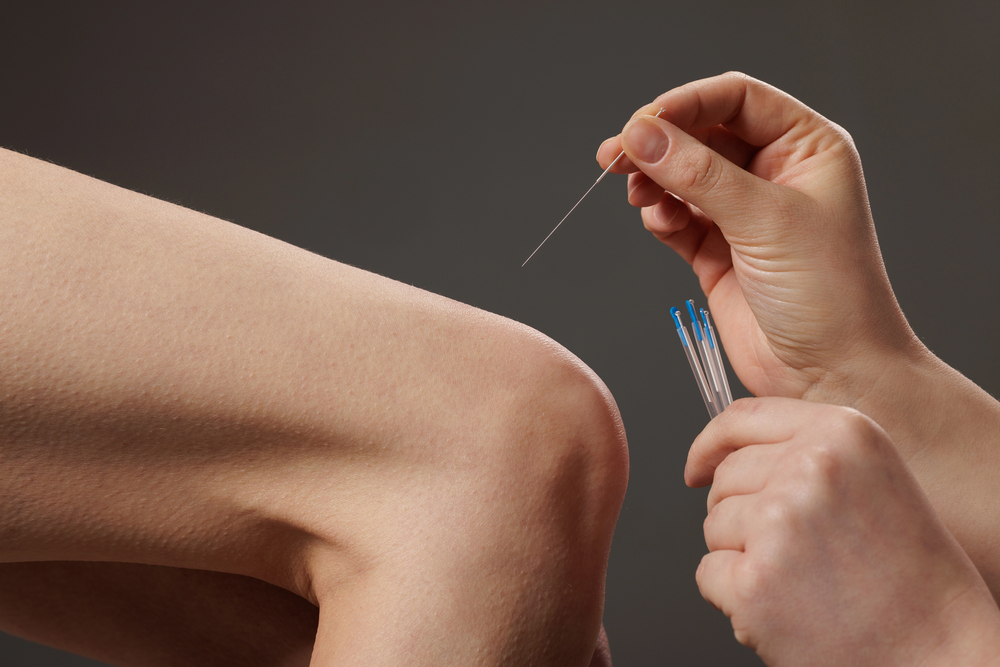
Thin needles are inserted gently and remain in place for a period of time. Most patients feel minimal sensation, often describing it as a mild tingling or warmth. Relaxation is common during the session.
Afterward, some patients feel energized while others notice a calm, restorative sensation. Regular feedback allows the practitioner to adjust care for optimal results.
Complementing Chiropractic Care and Massage Therapy
Acupuncture works well alongside chiropractic care and massage therapy. Chiropractic adjustments focus on joint alignment and mobility.
Massage therapy deals with soft tissue tension. Acupuncture influences circulation and nervous system responses that enhance both approaches.
When these therapies are combined thoughtfully, patients often experience longer lasting relief. Each method attends to knee discomfort issues, from structural alignment to muscular support and neurological balance. This type of approach promotes ongoing comfort and function.
Acupuncture Alexandria, VA for Knee Health
Women and men looking for acupuncture can benefit from care customized to lifestyles. Things like commuting, active routines, and occupational strain influence knee health. Community oriented clinics understand these challenges and adapt care to meet real world demands.
Ongoing sessions help address both acute recovery and long-term maintenance. Patients report improved mobility, reduced swelling, and a greater sense of control over knee discomfort.
Local care also allows consistent follow up and personalized adjustments as the body responds to treatment.
Taking Care of Inflammation and Muscle Tension
Inflammation in the knee can worsen pain and reduce mobility. Acupuncture promotes improved blood flow to affected areas, which helps the body clear inflammatory metabolites. Muscles that guard the joint often relax, reducing tension and supporting more natural movement.
This approach complements daily exercise and stretching routines. Over time, improved circulation and reduced tension can reduce the likelihood of recurring discomfort. Patients often report that walking, climbing, and routine activities become less stressful on the knee.
Long Term Benefits Beyond Symptom Relief
The benefits of acupuncture extend beyond immediate relief. Improved circulation, decreased muscle tension, and moderated nerve signaling often contribute to broader wellness. Patients may notice better overall energy, reduced stress, and more consistent sleep patterns.
For individuals managing chronic pain, ongoing sessions allow gradual adjustments in how the nervous system perceives discomfort.
These adaptations encourage long term comfort, improved mobility, and greater confidence in daily activities. Regular care, combined with chiropractic adjustments and massage therapy, creates a more complete approach to joint health.
Supporting Your Knees Every Step of the Way at Bodnar Chiropractic Center
Bodnar Chiropractic Center treats knee pain with attention to the whole body. We know that joint discomfort affects daily life, movement, and overall well-being.
Our acupuncture services are fine-tuned to individual needs, improving circulation, muscle balance, and nervous system regulation.
Serving Alexandria since 1997, our clinic offers care that is knowledgeable, professional, and friendly. We may combine acupuncture with chiropractic care and massage therapy to help tackle structural, muscular, and neurological issues that influence knee discomfort.
Clear communication and personalized attention guide each treatment plan.
If you have questions about Bodnar Chiropractic Center or want to check out acupuncture options for knee pain, feel free to contact us by phone, submit a contact form, or request an appointment today.