Acupuncture Treatment: How Does It Work?
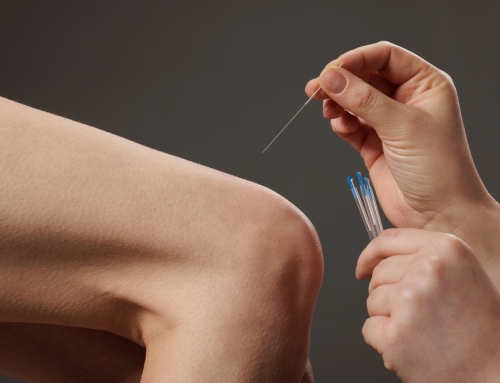
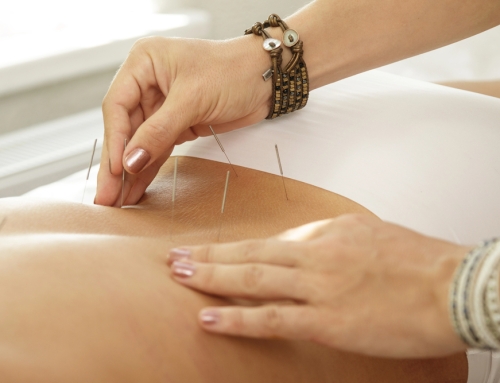
If you have ever wondered how acupuncture works, you are not alone. This ancient practice, rooted in Traditional Chinese Medicine (TCM), has been used for thousands of years, yet its mechanisms continue to be explored and explained through modern science. Acupuncture works by gently placing tiny, clean needles at certain spots on the body to help trigger healing. While the traditional explanation focuses on balancing the flow of energy or life force known as Qi (pronounced “chee”), contemporary research offers a compelling physiological perspective.
Today, many people seek acupuncture treatment for pain, stress, and various health concerns, making it a valuable component of integrative healthcare. Understanding the principles behind it can help demystify the experience and clarify what to expect. This holistic view is shared by other disciplines; for instance, chiropractic care also emphasizes the body’s inherent ability to heal when its systems are in balance.
In traditional practice, good health depends on balance, while illness is thought to occur when energy does not move smoothly through meridian pathways. An acupuncturist inserts needles at precise points to restore this flow and encourage the body to return to harmony. While this concept of energy may not align directly with Western anatomy, it offers a holistic framework that has guided effective treatment for centuries.
For residents considering this path, exploring options like acupuncture can be a practical first step. The modern scientific inquiry into how acupuncture works scientifically seeks to translate these observations into mechanisms we can measure, such as nerve stimulation, neurotransmitter release, and changes in blood flow. This blend of ancient wisdom and modern understanding makes acupuncture a unique and versatile therapy.
The Traditional View of Acupuncture
In traditional theory, the body is guided by a life force often called Qi. This energy is believed to move through pathways known as meridians. These pathways connect organs, muscles, and tissues. When Qi flows smoothly, the body stays balanced. When the flow becomes blocked or weak, discomfort or illness may appear.
Acupuncture aims to restore balance by stimulating specific points along these meridians. Each point has a purpose based on its location and connection to the rest of the body. A point on the hand may be used to support the head or neck. A point on the leg may be used to affect digestion or lower back tension. This approach views the body as one connected system instead of separate parts.
Even though meridians do not appear on X-rays or scans, many acupuncture points are located near nerves, muscle junctions, and connective tissue. This overlap helps bridge traditional ideas with modern understanding.
How Does Acupuncture Work Scientifically?
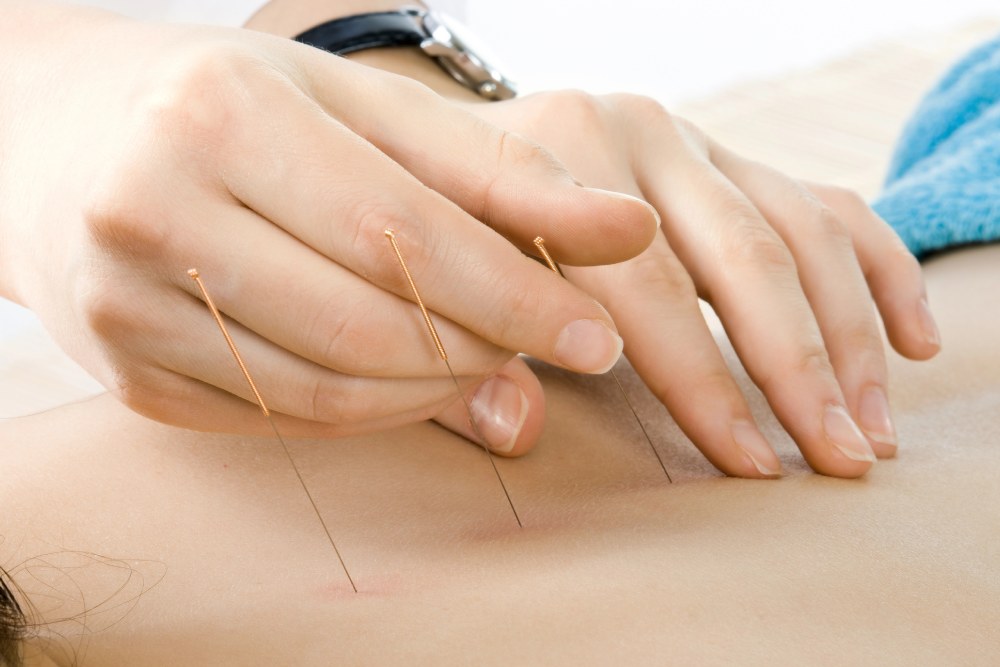
From a modern perspective, how acupuncture works scientifically comes down to how the body responds to stimulation. When a thin needle is placed into the skin, it activates nearby sensory nerves. These nerves send signals to the spinal cord and brain.
The brain responds by releasing natural chemicals. These include endorphins, which help reduce pain, and serotonin, which supports mood and calmness. This response helps explain why people often feel relaxed during and after a session.
Acupuncture also affects blood flow. The gentle stimulation encourages circulation in the treated area. Better blood flow delivers oxygen and nutrients to tissues while helping remove waste. This supports healing in muscles and joints that feel tight or sore.
The Nervous System Plays a Key Role
The nervous system controls how the body reacts to pain, stress, and movement. It has two main modes. One is the alert mode, often linked to stress. The other is the calm mode, linked to rest and repair. Many people spend too much time in alert mode due to busy schedules, poor sleep, or ongoing pain.
Acupuncture helps shift the body toward the calm mode. When this happens, muscles relax, breathing slows, and digestion improves. This shift supports healing because the body can focus on repair instead of protection.
This nervous system response is one of the reasons acupuncture can help with both physical discomfort and emotional stress.
How Does Acupuncture Work to Relieve Pain?
A common question is how does acupuncture work to relieve pain. Pain is not just a signal from the body. It is also shaped by how the brain understands that signal. Acupuncture affects both parts of this process.
First, it helps interrupt pain signals. When nerves are stimulated by needles, they can reduce how strongly pain messages travel to the brain. This does not block pain completely, but it can lower its intensity.
Second, acupuncture helps relax tight muscles. Tight muscles can press on nerves and joints, increasing discomfort. When muscles release, pressure decreases, and movement often feels easier.
Third, acupuncture can reduce inflammation. Inflammation often causes swelling, stiffness, and sensitivity. By supporting circulation and nervous system balance, acupuncture helps calm this response over time.
What Happens in the Brain
Brain imaging studies show that acupuncture affects areas of the brain linked to pain, stress, and emotion. These areas help decide how strongly pain is felt. When acupuncture stimulates these regions, the brain may respond by lowering pain awareness.
This does not mean the pain is ignored. It means the brain processes it differently. Over time, this can help reduce chronic pain patterns that have become stuck.
This brain response also explains why acupuncture can support mood and sleep. The same brain areas involved in pain are also involved in stress and rest.
Why Acupuncture Uses Specific Points
Acupuncture points are chosen carefully. They are not random spots on the body. Many points sit where nerves pass close to the surface or where muscles and connective tissue meet.
Stimulating these areas creates a stronger signal to the nervous system. This is why correct point selection matters. A trained provider chooses points based on symptoms, movement patterns, and overall balance.
Different people with similar symptoms may receive different point combinations. This personalized approach helps address the underlying pattern rather than only the surface symptom.
What an Acupuncture Session Feels Like
Many people worry that acupuncture will hurt. In most cases, the needles cause little to no pain. They are very thin and flexible. Some people feel a light pinch or pressure when a needle is placed. Others feel warmth, heaviness, or a gentle tingling.
Once the needles are in place, most people rest quietly for twenty to forty minutes. Many feel deeply relaxed and may fall asleep. This rest period allows the nervous system to respond fully.
After the session, people often feel calm or slightly tired. Drinking water and taking it easy can help the body adjust.
How Often Is Acupuncture Needed?
There is no single schedule that fits everyone. Some people seek care for a short-term issue, such as neck tension or a headache. Others use acupuncture as part of long-term wellness support.
Early sessions may be closer together to help the body respond. As symptoms improve, visits are often spaced further apart. Consistency matters, especially for long-standing issues.
Progress is usually gradual. Some people notice changes quickly. Others notice steady improvement over several sessions.
Acupuncture for Stress and Sleep
Stress affects the body in many ways. It can increase muscle tension, disturb sleep, and make pain feel worse. Acupuncture helps calm the stress response by supporting nervous system balance.
Many people report better sleep after starting care. Falling asleep may become easier. Night waking may decrease. Better sleep supports healing, mood, and focus during the day.
By helping the body relax, acupuncture supports recovery on both physical and emotional levels.
Circulation and Muscle Comfort
Good circulation is important for comfort and movement. When muscles are tight, blood flow may be reduced. This can lead to soreness and stiffness.
Acupuncture encourages circulation in targeted areas. Better blood flow helps muscles relax and supports tissue repair. This is one reason acupuncture is often used for shoulder tension, jaw tightness, and back discomfort.
As muscles soften, joints often move more freely. This supports better posture and reduced strain during daily activities.
Acupuncture as Part of a Larger Care Plan
Acupuncture is often most helpful when used alongside other supportive care. Many people combine it with movement-focused approaches that address posture and joint motion.
This combination allows care to support how the body feels and how it functions. Rather than treating one symptom at a time, the focus stays on overall balance.
Acupuncture does not replace medical care. It works best as a complement, especially for chronic or stress-related concerns.
Safety and Research Support
Acupuncture is considered safe when performed by a trained professional using sterile needles. Minor side effects, such as brief soreness or light bruising, are uncommon and usually short-lived.
Research supports acupuncture for several conditions, especially pain and nausea. Ongoing studies continue to explore how it affects the nervous system and circulation.
It is always important to seek medical care for new or serious symptoms. Acupuncture supports wellness but should not replace diagnosis when needed.
A Short Word About Our Practice
At Bodnar Chiropractic Center, we use acupuncture as part of a patient-focused approach to care. We look at stress, movement, and nervous system balance together. Our goal is to support comfort and recovery in a calm and thoughtful way.
When Acupuncture May Be a Good Choice
Acupuncture may be helpful for people dealing with ongoing pain, stress, poor sleep, or muscle tension. It may also support those who want preventive care to stay balanced.
A clear conversation about goals and expectations helps decide if acupuncture fits a person’s needs. Each plan should be tailored and adjusted as the body responds.
Bringing It All Together
So, how does acupuncture work? It works by stimulating nerves, improving circulation, and helping the brain regulate pain and stress. It supports balance rather than forcing change.
By combining ancient observations with modern science, acupuncture offers a gentle and structured way to support healing. When used thoughtfully, it can help the body move toward comfort, calm, and stability over time.