Can A Chiropractor Help With Tinnitus Relief?
Tinnitus is often described as ringing, buzzing, or humming in the ears that others cannot hear. For some people, it is a mild annoyance. For others, it interferes with sleep, focus, and daily life. While commonly linked to hearing changes, it can also be influenced by the nervous system and musculoskeletal health. In some cases, working with a chiropractor for tinnitus may help address contributing factors. This approach is rooted in chiropractic principles, focusing on how spinal joint function and nerve communication impact overall well-being.
Tinnitus is not a disease on its own. It is a symptom that can arise from many causes, including noise exposure, ear infections, jaw tension, neck strain, or nerve irritation. Because of this wide range of triggers, relief often depends on identifying what is influencing the nervous system and sensory pathways connected to hearing.
Chiropractic care focuses on restoring healthy movement and communication within the body, which may support symptom improvement for certain individuals. For some, complementary modalities like acupuncture are considered part of an integrative plan to support relaxation and nervous system balance.
Understanding What Causes Tinnitus
Tinnitus develops when the brain receives abnormal signals from the auditory system or surrounding nerves. Damage to tiny hair cells in the inner ear is one of the most common causes. These cells help transmit sound signals to the brain. When they are damaged, the brain may attempt to fill in missing information, creating phantom sounds.
However, tinnitus is not always ear-based. Muscle tension in the neck, poor posture, jaw misalignment, or spinal joint restrictions can also influence nerve pathways related to hearing. In these cases, the condition is sometimes referred to as somatic tinnitus. Changes in head or neck position may increase or decrease the sound, which suggests a musculoskeletal connection.
The Nervous System’s Role in Ear Ringing
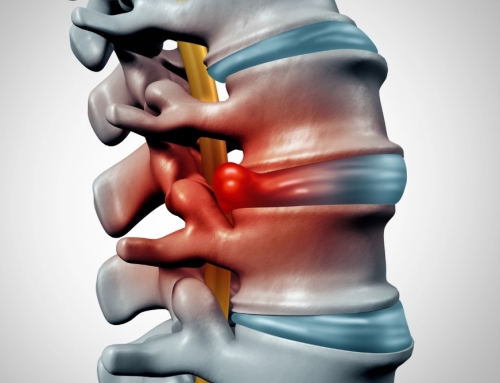
The nervous system plays a central role in how tinnitus is perceived. Nerves traveling through the neck and upper spine interact closely with structures that affect hearing and balance. When spinal joints lose proper motion or muscles become chronically tight, nerve signaling can be altered.
Restricted movement in the cervical spine may increase tension around nerve roots or affect blood flow to areas near the inner ear. This does not mean spinal issues cause tinnitus in all cases. It does mean that nerve irritation or poor joint mechanics may contribute to symptoms for some people. The goal of care is to reduce these sources of interference so the nervous system can function more smoothly.
How Chiropractic Care May Support Tinnitus Relief
Chiropractic care focuses on restoring healthy joint movement, especially in the spine. Gentle adjustments are used to improve alignment and mobility, which may reduce mechanical stress on nerves. For individuals whose tinnitus appears linked to neck tension or posture, this approach may help reduce symptom intensity.
The chiropractor and tinnitus connection is most often explored when symptoms change with head or neck movement. If turning the head alters the sound, it suggests the musculoskeletal system plays a role. Improving cervical spine motion and reducing muscle tightness may help calm nerve input that affects auditory processing.
The Importance of a Whole-Body Evaluation
Effective care begins with a thorough evaluation. This includes reviewing health history, symptom patterns, posture, and movement habits. Special attention is given to the neck, jaw, shoulders, and upper back, as these areas often influence nerve pathways associated with hearing.
Movement testing helps identify joint restrictions or muscle imbalances. A full assessment also helps determine if care is appropriate or if referral to another provider is needed. This whole-body approach supports safe, informed decision making.
Muscle Tension and Posture Considerations
Poor posture is common in modern life. Long hours spent looking at screens can strain the neck and upper back. Over time, this tension may compress nerves or alter head positioning, which can affect sensory input to the brain.
Care often includes guidance on posture awareness and ergonomic changes. Reducing forward head posture and shoulder tension may ease pressure on cervical structures. When muscles relax and joints move properly, nerve signaling can normalize, which may reduce the perception of ringing for some individuals.
Complementary Therapies That May Help
Some people benefit from combining care with other supportive therapies. Soft tissue work can address muscle tightness in the neck and jaw. These approaches aim to support comfort and relaxation rather than replace medical evaluation. When used together, they may create a more supportive environment for symptom management.
Stress, Sleep, and Tinnitus
Stress does not cause tinnitus, but it often makes symptoms feel louder or more intrusive. When the nervous system remains in a heightened state, the brain may focus more on internal sounds. Sleep disruption can further increase sensitivity.
Care often supports relaxation by improving physical comfort and reducing muscle tension. Simple breathing exercises and stress management strategies may also help calm the nervous system. Addressing these factors supports overall well-being.
What to Expect From Care
Results vary depending on the cause of tinnitus and individual health factors. Some people notice changes in neck comfort first, followed by subtle shifts in tinnitus awareness. Others may experience improved sleep or reduced symptom flare-ups.
Care is typically progressive. Early visits focus on restoring movement and reducing tension. Ongoing care supports stability and healthy posture. Clear communication about symptom changes helps guide the plan.
A Short Word About Our Practice
At Bodnar Chiropractic Center, we take time to understand how each patient’s nervous system and musculoskeletal health may influence their symptoms. Our care focuses on careful evaluation, gentle adjustments, and education that supports informed choices. We believe understanding the body’s connections helps patients feel more confident.
Knowing When Chiropractic Care Is Appropriate
This care is not a cure for tinnitus, and it is not appropriate for every case. It is most relevant when symptoms appear connected to neck movement, posture, or muscle tension. A qualified evaluation helps determine if this approach may be helpful.
Medical assessment remains important, especially when tinnitus appears suddenly or is accompanied by hearing loss or dizziness. Chiropractic care may be used as part of a broader, supportive strategy.
A Supportive Path Forward
Living with tinnitus can be frustrating, especially when answers feel limited. Exploring conservative, non-invasive options may offer additional support. By addressing spinal alignment, muscle balance, and nervous system function, care may help reduce contributing stressors. We focus on helping patients at Bodnar Chiropractic Center understand their options and support the body’s natural ability to function more comfortably.