How Chiropractic Care Supports Healing For Knee Pain
Knee pain can turn simple daily activities into real challenges. Walking, standing, or climbing stairs may suddenly feel uncomfortable or limiting. Many people look to medication or surgery for answers, but there is another option that focuses on how the body heals itself. Seeing a chiropractor for knee pain can help uncover movement issues that place extra stress on the knee joint.
This type of care looks at how the entire body works together instead of treating pain in isolation. It is based on the principles of chiropractic care, which emphasize the body’s innate ability to restore balance when joint function and nervous system communication are supported.
Knee discomfort often develops over time. It may begin after an injury, from repetitive motion, or due to natural wear as we age. In many cases, pain does not start in the knee alone. Changes in posture, muscle balance, or joint movement elsewhere in the body can all affect how the knee handles pressure. For instance, a stiff ankle or weak hip muscles can change your walking pattern, forcing the knee to compensate.
Chiropractic care aims to restore balanced movement in these related areas so the knee can function with less strain. For some individuals, integrating complementary methods like acupuncture may also help manage inflammation and support the body’s relaxation response during healing.
Understanding Where Knee Pain Begins
Pain in the knee is often a signal rather than the main problem. The knee is a stable hinge joint that depends heavily on proper alignment and mobility from the hips, spine, and ankles to move smoothly. When one part of this chain does not move well, the knee often has to compensate. Over time, this added stress may lead to soreness, stiffness, or reduced mobility.
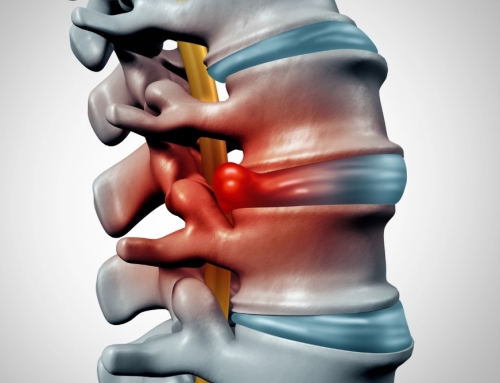
Common direct causes include osteoarthritis, ligament strains, cartilage tears, and overuse injuries. However, contributing factors are frequently found elsewhere. Tight hip flexors, weak gluteal muscles, a flat foot, or even a misalignment in the lower spine can change how force travels through the leg. A full evaluation looks beyond the knee to find these underlying movement patterns. This whole-body perspective is key to creating a lasting solution, as it addresses the why behind the pain.
How Chiropractic Care Addresses Knee Stress
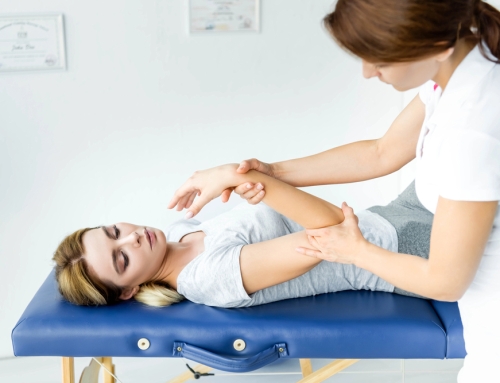
This care focuses on restoring healthy joint motion and muscle balance. While many people associate it with spinal care, the approach also applies to joints throughout the body. Gentle, controlled adjustments can be used to improve motion in the spine, hips, ankles, and sometimes the knee itself. For example, an adjustment might help the kneecap glide more smoothly.
When joints move as they should, surrounding muscles can relax and support the body more evenly. Reduced joint stress means less irritation and inflammation. Importantly, improved alignment helps the nervous system communicate more clearly with the muscles that control movement. Over time, restoring this communication supports better stability and comfort during daily activities.
A Whole-Body Evaluation Matters
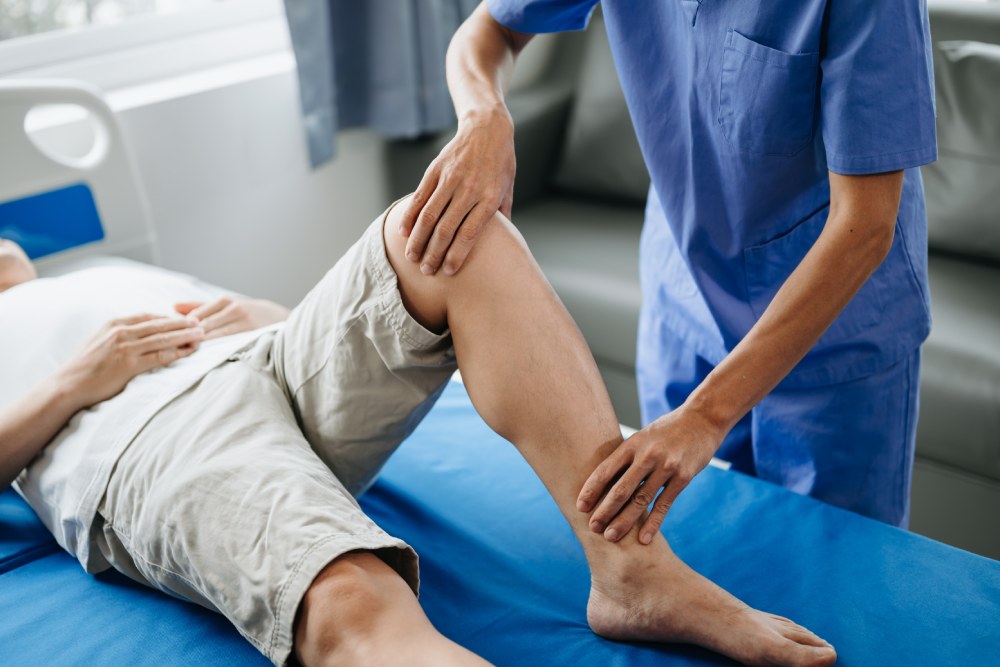
Before starting care, a detailed evaluation is important. It begins with a discussion of your health history, activity level, and goals. Next comes a physical and movement assessment. This involves observing your posture, walking pattern, and how you perform simple movements like squatting. We check the range of motion in your spine, hips, knees, and ankles and assess muscle strength for imbalances.
This comprehensive process allows care to be tailored precisely to your needs. Knee pain linked to poor posture may require a different focus than pain from a sports injury. By addressing the true source of stress, this approach supports longer-lasting results rather than temporary relief.
Supporting Knee Healing with Soft Tissue Work
Muscles, tendons, and ligaments play a major role in knee health. When pain is present, muscles often tighten to protect the area. If this tension persists, it can limit motion, reduce circulation, and pull the knee joint slightly out of position.
Soft tissue therapy techniques address these issues. The goal is to relax tight muscles, break up scar tissue, and improve blood flow to the area. Better circulation delivers oxygen and nutrients for tissue repair. Releasing muscle tension also allows joints to move more freely. This combination helps decrease stiffness and supports more comfortable movement throughout the day.
Strength and Stability Through Guided Movement
Improving strength and control around the knee is indispensable for full recovery. Weak or uncoordinated muscles allow the joint to absorb more stress, making it vulnerable. Targeted therapeutic exercises build intelligent support from the hips, thighs, and core.
The exercise progression is deliberate. Early-stage exercises focus on gentle movements that improve muscle activation without loading the joint. As strength improves, exercises become more functional, mimicking daily tasks like step-ups or controlled squats. These movements retrain the body to move safely and confidently. Consistency with this prescribed home care is often a key factor in a successful outcome.
The Role of Complementary Therapies
Some people find added support through complementary care methods used alongside movement-based care. For example, acupuncture involves the gentle insertion of thin needles at specific points to help modulate pain signals and reduce inflammation. Many patients report reduced muscle tension and a sense of relaxation following a session.
Other modalities might include low-level laser therapy to stimulate cellular repair. The decision to use any complementary therapy is based on your specific condition and preferences. When combined strategically with adjustments and exercise, these methods can support the body’s natural healing and help improve overall comfort.
Daily Habits That Affect Knee Health
Healing extends beyond the care center. Your daily habits have a continuous impact on knee comfort. Consider your footwear: worn-out shoes or those without proper support can alter your walking pattern, increasing strain. Your work environment matters too. Prolonged sitting can lead to stiffness, while standing all day on hard surfaces creates impact stress.
Simple, mindful changes can help. Taking short breaks to stretch and walk maintains circulation. Learning mindful posture, standing with weight evenly distributed, helps optimize joint loading. These small, consistent steps protect your joints and help the progress from care sessions last longer.
Nutrition and Joint Support
What you eat offers you the building blocks for repair. Diet can influence systemic inflammation, which can affect joint pain. Focusing on an anti-inflammatory diet rich in whole foods can support healing.
Fruits and vegetables offer antioxidants. Fatty fish, walnuts, and flaxseeds offer omega-3 fatty acids, which are anti-inflammatory. Staying well-hydrated is equally important. Water is a primary component of the fluid that lubricates the knee joint and keeps cartilage spongy. While not nutritionists, we at Bodnar Chiropractic Center can offer basic guidance on foods that support joint health as part of a holistic wellness conversation.
Managing Stress and Pain Awareness
The experience of pain is influenced by more than physical changes. Chronic stress can heighten pain perception and cause physical muscle tension, which can pull on the knees.
Learning to manage stress is a valuable skill in pain management. Simple breathing exercises can calm the nervous system. Practices like gentle yoga or meditation can improve mindfulness, helping break the cycle of worry and pain. Understanding this mind-body connection empowers you to take an active role in your comfort.
What Healing Often Looks Like Over Time
Healing typically happens in progressive stages. The initial stage focuses on reducing pain and restoring basic motion. The second stage shifts to strengthening supporting muscles and re-educating movement patterns. The final stage is about maintaining gains and preventing setbacks.
Results vary depending on the cause and history of your pain. Open communication allows us to adjust the plan as your body responds. Patience and consistency are important factors in achieving a lasting, positive outcome.
Preventing Future Knee Problems
Once pain improves, the next goal is prevention. Maintaining the muscle strength and movement awareness you’ve gained is your best defense. This might involve continuing a simplified exercise routine and being mindful of posture.
Listening to your body’s early signals is a developed skill. A slight twinge is feedback. You then have the tools to address small issues proactively. Some patients choose periodic wellness check-ups to correct minor joint restrictions, helping them stay active and resilient.
A Partner in Your Health Journey
At Bodnar Chiropractic Center, we see our role as guides and partners. We take time to listen, assess how your body moves, and explain our findings clearly. Our focus is on identifying the interconnected issues, joint alignment, muscle balance, and lifestyle habits that contribute to knee discomfort. Our goal is to support your body’s natural healing through personalized, movement-based care that respects your individual pace and objectives.
Choosing a Supportive Care Path
Knee pain can limit your enjoyment of life, but supportive, non-invasive care options exist. By improving joint mechanics, restoring muscle balance, and educating on supportive habits, this care offers a logical path to recovery that aims for the root cause. We are dedicated to working closely with each patient to create care plans that fit their unique needs and lifestyle. We believe that making informed, proactive choices about your health is the first step toward returning to comfortable, confident movement.